Why I Stopped Waiting to Get Good.
What is the point if we spend more time studying but never actually create our dreams?

Shalom Chaverim,
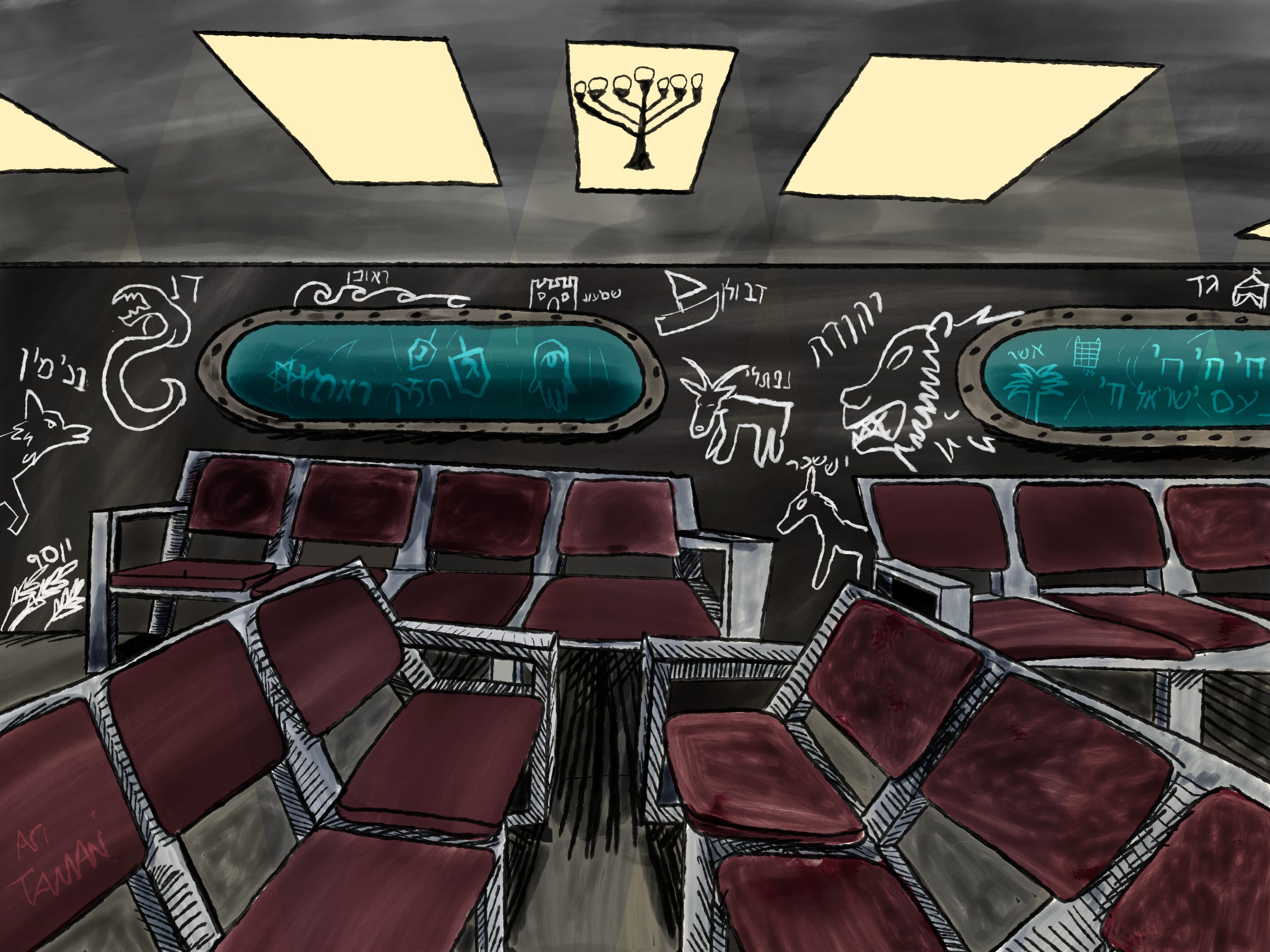
I recently finished Chapter 3 of my comic, Dawn of Mashiach. I am planning to roll out pages soon,
But every week, I plan to write a newsletter so you can see my progress. It will also serve as an opportunity to express my views on art, politics, religion, and storytelling. This week I wanted to talk about the process of learning art.
When I was trying to learn to be a better artist, I was told, like many others, to spend time practicing the fundamentals. I understand why perspective, anatomy, gesture, and composition matter, but the culture of art education focuses a lot on drilling rather than creating.
I started getting serious about art when I was 16, during the COVID-19 lockdown. I always drew pictures as a kid, but the isolation and contemplation during COVID made me realize I needed to pursue something artistic in the future.
I always wanted to be remembered long after I died for doing something great. I did not have the brains of a genius like Albert Einstein or Rosalind Franklin, or the military aptitude of a Moshe Dayan or Yonatan Netanyahu, or the entrepreneurial grit of a Rothschild or Rockefeller. But I always knew I was good with a pencil, both for writing and drawing.
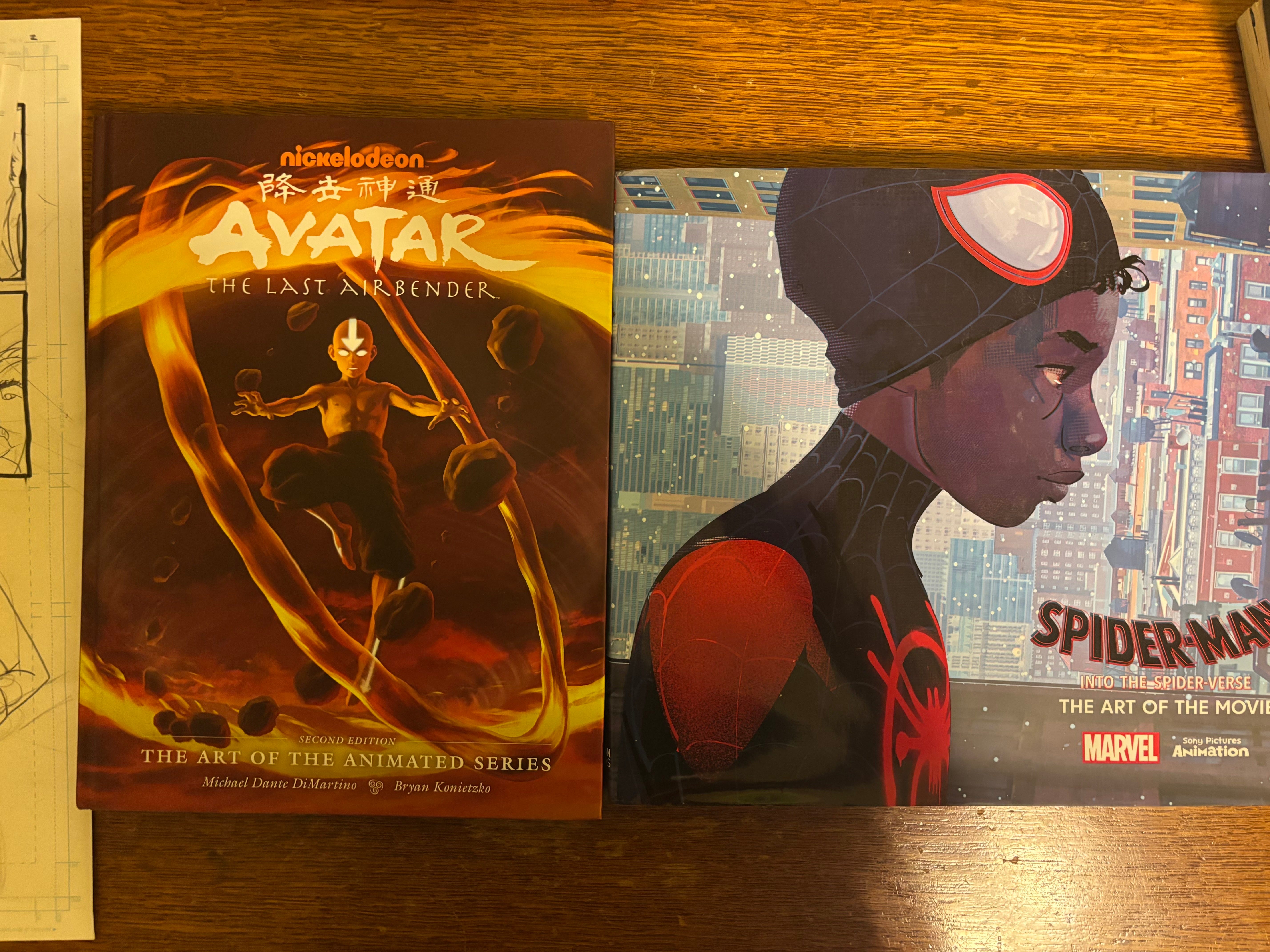
What really flipped the switch to tell me that I NEED TO BE AN ARTIST was watching the movie Into the Spider-Verse and watching the show Avatar: The Last Airbender. I wanted to create stories on a similar scale that made people feel all fuzzy inside with joy, or make them want to pick up a pencil. But I knew I was not up to the task in terms of technical ability.
To improve my fundamentals, I signed up for the SVS Learn Courses. While I owe a lot to the team behind SVS Learn for giving me creative fundamentals, I stopped all of a sudden after completing the perspective course.
While I am unsure why I did it, it was probably because making perspective grids, drawing boxes, and studying the instructor’s work felt like a chore when I really wanted to tell stories.
Eventually I decided to start working on comics about a year and a half ago. I signed up for SVS Learn’s awesome Graphic Novel Pro course, which gave me a great game plan and tools to create something achievable. However, I still missed a lot of the fundamentals.
Even though I wasn’t making superhero stories, I still needed to know perspective for backgrounds, anatomy for believable characters, and gesture to create motion on a static page. But if I spent so much time studying, it would be years before I reached professional-level comic art, and by then I might lose interest.
So instead of just going back to video courses and studies, I tried something new. I already had some background in anatomy and gesture from my life-drawing classes during freshman year. I knew I needed to get better at perspective so I could create epic landscapes, cities, and architecture for my stories. So I bought Framed Perspective Vol. 1: Technical Perspective and Visual Storytelling by Marcos Mateu-Mestre. The book is very technical; however, it does a great job breaking down perspective.
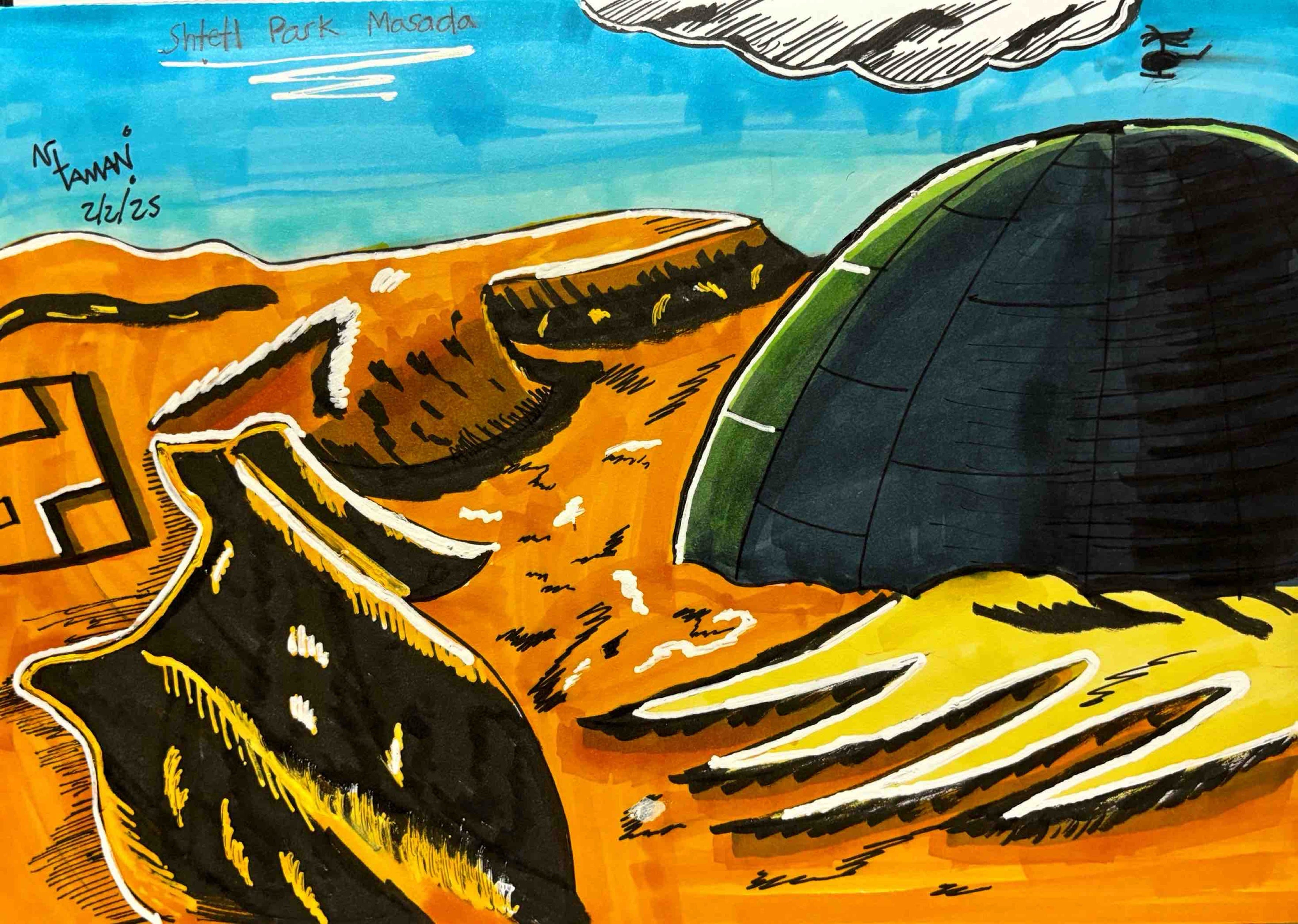
The book didn’t include exercises, which at first I thought was a bummer, but then I decided to create my own. For example, in Chapter 2 of my graphic novel, I really wanted to iron out my one-point perspective, so I designed the pages to force me to draw many images in one-point perspective. For Chapter 3, I moved to 2-point perspective and continued to reference Mateu-Mestre’s art when drawing grids.
Had I just studied everything in the art book, line for line, I wouldn’t have gotten so far into my story and probably would have given up, but by learning as I went, I prevailed.
The process of learning while doing also lends itself to other skills, such as languages. When I was in high school, I took 3 years of Spanish, but I can barely order food now. That’s because we spent more time doing workbooks and grammar than actually speaking. And when I no longer was required by my school to learn Spanish, I lost interest in continuing to practice.
However, when I was in Israel, I went to Ulpan and actively practiced the Hebrew in ways that served my ambitions. One of my main motivations for learning was to bond with my family, and by practicing it in natural, non-academic settings, I improved drastically.
The Ulpan already gave us ample opportunities to practice; however, when I spent weekends with my Haredi family, who had only one English-speaking family member, I improved greatly. I had to learn Hebrew while speaking, which forced me to recall and absorb the material I was learning.
Learning while doing is what works best for my cognitive profile, but don’t let that stop you from benefiting from methods that work for you. However, if you feel bad about paying for art courses and not utilizing them, it doesn’t mean you are a bad student; it just means you learn differently.
Art is fun because we take things from our head and transfer them into reality. Studying is important; however, it shouldn’t come in the way of working towards our ambitions. That is why I learn while doing and why you should do the same.
I wish anyone reading this who is also on an artistic journey would follow through on their ambitions, just as I have.
Shalom,
Ari Tamani